The impact of high inflation on investments
Assets that are good hedges against inflation
Assets that perform poorly in high inflation
[site-breadcrumb]

At times of high inflation, most people need to tighten their belts as the purchasing power of money decreases. In addition to higher living costs, savings and investments can also suffer in a high inflation environment. With a smart strategy, however, you can guard the value of your investments or even profit from rising consumer prices. We’ll tell you how.
According to Nobel Prize-winning economist Milton Friedman, inflation is a form of taxation that can be imposed without legislation. Inflation affects your income and savings not only because your bills are higher and you have to pay more for goods and services, but it can also damage investments that you have made.
Hedge against inflation
The essence
- Inflation has diverse impacts on various investments
- Several asset classes fare well in a high-inflation environment
- Inflation-linked bonds, real estate, commodities, stocks and gold are viewed as good hedges against inflation
- Cash and fixed-rate bonds are typically not good investments when inflation is high
Hedge against inflation
Why is inflation on the rise?
Most economists attribute the recent uptick in global inflation to the recovery from the 2020-2021 Covid pandemic and the related disruptions in global supply chains. Surging energy prices are only adding fuel to the fire.
As economies around the globe closed down and reopened due to the pandemic, the supply of certain goods was disrupted while consumer demand for them skyrocketed. Factory closures and transportations problems have upset global supply chains, further exacerbating the imbalance. Although most economists agree that inflation will not stabilize at current levels, there is a wide consensus that it will settle at higher levels than those seen prior to the pandemic.
Central banks are responding to accelerating inflation with interest rate increases, which in turn are stoking fears of economic slowdown. This is an explosive combination of macroeconomic factors and investors need a carefully crafted strategy to ensure their assets are shielded from the damaging impact of high inflation and rising interest rates.
Hedge against inflation
The impact of high inflation on investments
Investors need to be on the lookout at times when consumer prices set out on an upward path. In addition to causing economic disruption, high inflation has a significant impact on the performance of financial assets.
You may hear economists talking of real returns in the context of inflation. This is a very important consideration as the real return is what you earn on an investment after accounting for taxes and inflation. At times of high inflation, the real return on your investments typically declines, meaning that the profit you derive from the assets you invested in is smaller or can even disappear.
Money managers advise investors to rebalance their portfolios in times of high inflation and move more funds into assets that typically fare better when prices are rising. Before you set out to do this, one crucial factor you need to investigate is whether the uptick in inflation is temporary or permanent. If consumer prices increase because of a one-off factor, chances are that inflation will not be permanent and you may be better off riding out the storm without reshuffling your investments.
At times of high and rising inflation, like the one most of the world is experiencing in 2022, it is best to assume a proactive approach and search out the financial assets that have the highest chance of combating the negative impacts of inflation.
Hedge against inflation
Assets that are good hedges against inflation
Top Asset Classes That Can Help Shield Your Portfolio from Inflation
For most investors, the primary objective is either to grow wealth or at least protect purchasing power over time. One of the most effective ways to manage risk is diversification — spreading investments across different asset classes rather than relying on a single one. This approach is widely recommended as a practical defense against inflation.
Below is an overview of financial assets that have historically shown resilience during periods of rising prices.
1. Inflation-Linked Bonds

 4
4
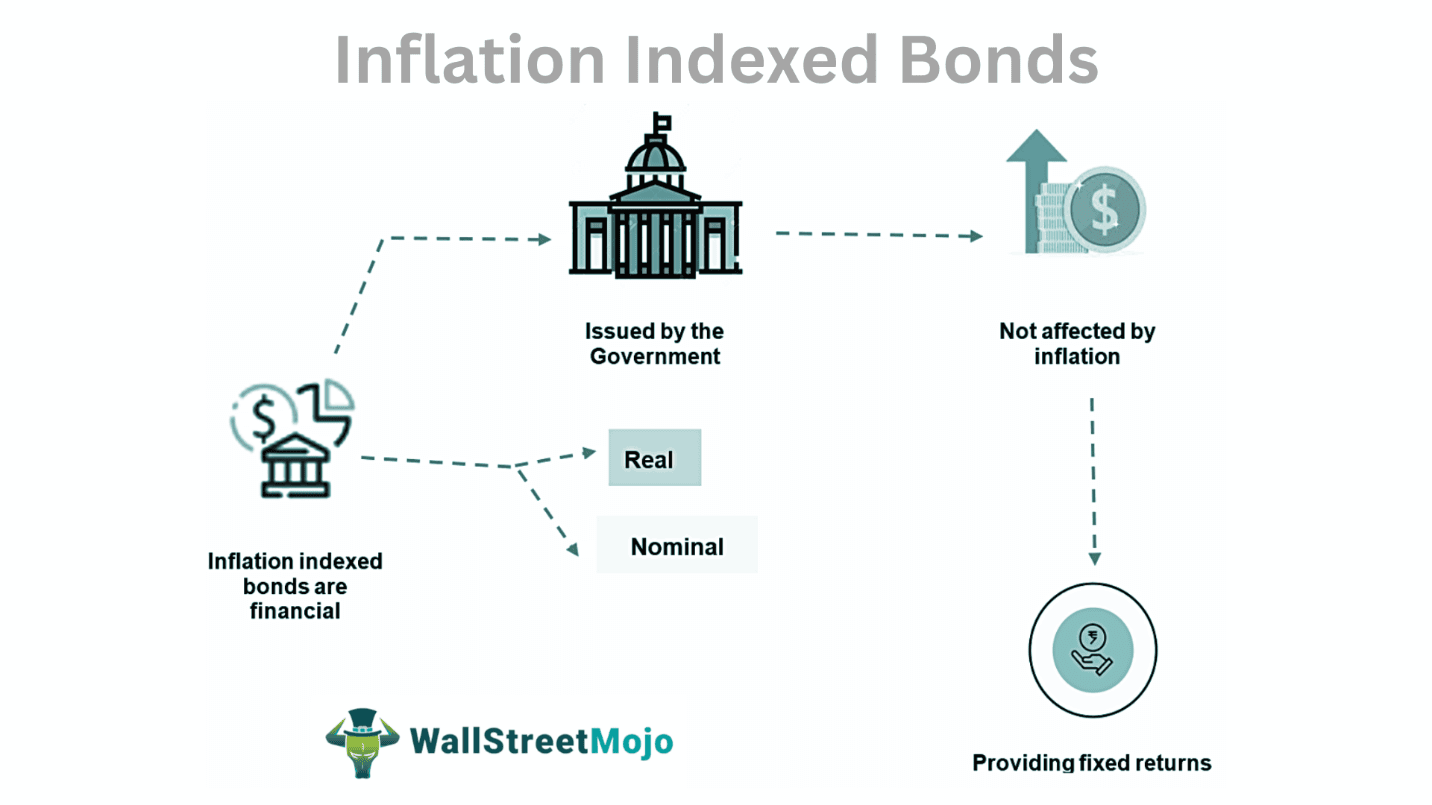
Inflation-linked bonds are specifically structured to offset the impact of rising prices. Typically issued by governments, these securities are indexed to inflation, meaning both the principal and interest payments adjust in line with changes in inflation rates.
In the United States, these instruments are known as Treasury Inflation-Protected Securities (TIPS). Their principal increases when inflation rises, and interest payments are calculated based on the adjusted principal amount.
Within the euro area, investors can access euro-denominated inflation-linked bonds issued by various sovereign governments.
Instead of buying individual bonds, investors may also gain exposure through bond funds or exchange-traded funds (ETFs) that hold diversified baskets of inflation-linked securities.
2. Real Estate
 4
4


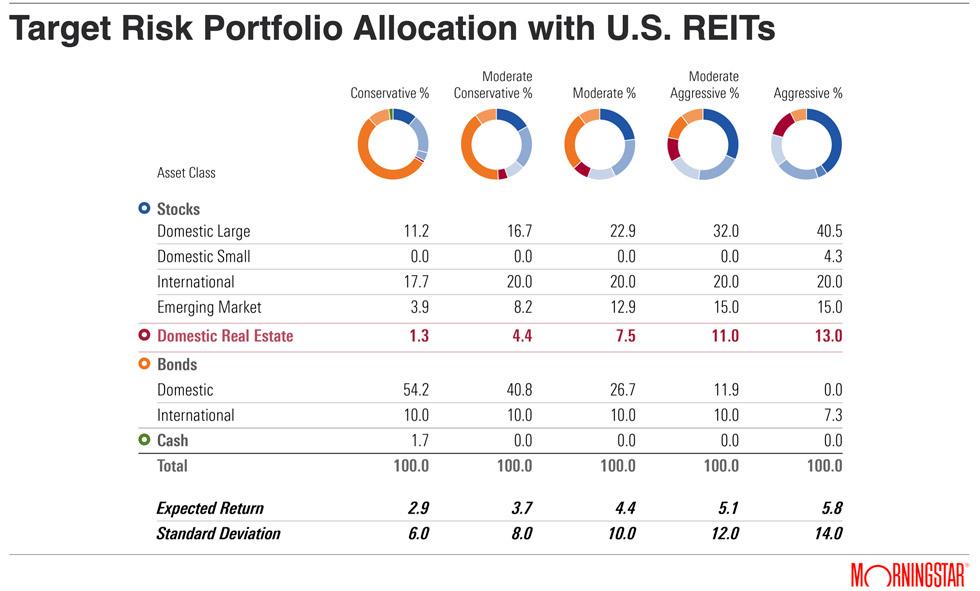
Property investments are often considered a reliable hedge against inflation because real estate values tend to appreciate over the long term. The key factor here is time horizon — the longer an investor holds property, the greater the probability of steady capital growth.
However, real estate markets are cyclical and subject to economic shifts. Property prices and rental demand can fluctuate, so risks remain.
Real estate can also generate recurring income through rent, which often adjusts upward in inflationary environments. For those who prefer not to purchase physical property, alternatives include:
-
Real Estate Investment Trust (REITs), which own and manage income-producing properties
-
Real estate-focused ETFs for broader diversification
3. Commodities

 4
4

Commodities often rise in value when inflation accelerates, making them a traditional inflation hedge. Raw materials such as oil, natural gas, precious metals, wheat, and corn typically benefit from rising price pressures.
Historically, the Bloomberg Commodities Index has demonstrated a strong relationship with inflation, reinforcing commodities’ defensive characteristics in diversified portfolios.
Although the global shift toward carbon neutrality may gradually influence commodity demand, this transformation is expected to unfold over time rather than abruptly.
4. Stocks

 4
4
Equities have historically performed well during moderate inflationary periods, though performance varies across sectors and styles.
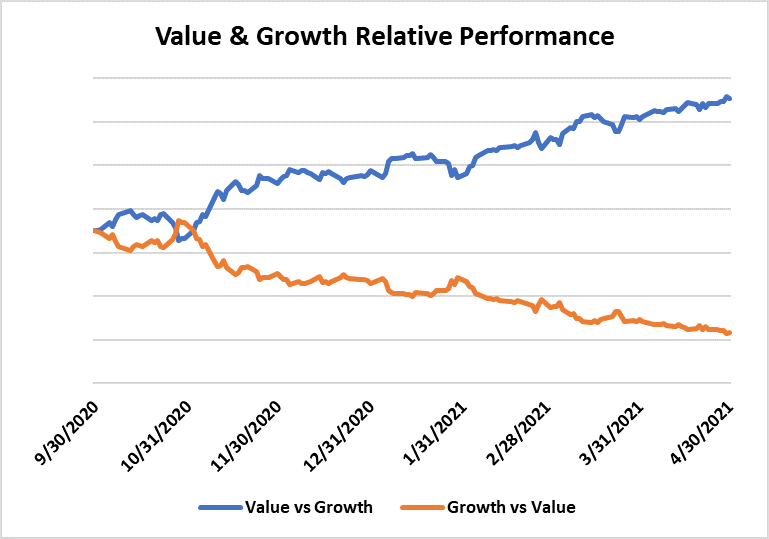
Research by BlackRock suggests that stock markets tend to remain resilient as long as inflation does not exceed extreme levels for extended periods. In moderately elevated inflation environments (around 5%–10%), value stocks have historically outperformed growth stocks.
Sectors that have shown relative strength during higher inflation include energy, healthcare, and financials.
Fidelity Investments has highlighted dividend-growing companies as particularly attractive in inflationary periods. Firms that consistently increase dividends often exhibit strong cash flow and pricing power, which can support performance when costs rise.
Investors may access stocks directly, through mutual funds, ETFs, or index funds. For example, the S&P 500 has historically delivered returns above inflation over long time horizons. Index funds offer built-in diversification, making them a popular long-term strategy.
5. Gold


Gold has long been regarded as a safe-haven asset during economic or geopolitical instability. While many investors view it as a hedge against inflation, opinions remain divided.
Gold rarely produces strong short-term gains and generally requires patience. For investors with shorter time horizons, it may not provide consistent inflation protection.
Long-term investors, however, may consider exposure through physical bullion or coins, as well as gold-focused mutual funds and ETFs.
Some research suggests that gold has preserved purchasing power effectively over very long periods — sometimes measured over a century — but over shorter time frames, its inflation-adjusted price can fluctuate as much as other asset classes.
Final Perspective
There is no single perfect inflation shield. A balanced portfolio that blends bonds, equities, real assets, commodities, and potentially gold is often the most resilient approach. Diversification, long-term discipline, and understanding each asset’s risk profile remain the foundation of protecting wealth in inflationary environments.
Hedge against inflation
Assets that perform poorly in high inflation
While there is no certainty that particular assets will outperform when inflation is high, some will surely fare poorly. The two financial instruments you should avoid in a high inflation environment are cash and fixed-rate debt instruments, in other words fixed-rate bonds.
Keeping a certain amount of liquid cash at hand is a prudent thing to do, however, you may want to invest these funds (beyond what you may reasonably need in case of an emergency) when inflation runs high. Keep your cash in a savings account, as earning a small interest is still better than no interest at all.
As a rule of thumb, inflation and fixed-rate bonds are arch enemies. When inflation runs high, the return on fixed-rate bonds declines in real terms, meaning when adjusted for inflation. No wonder that investors eye bonds held in their portfolios with suspicion when prices are rising. Especially if inflation is expected to persist, central banks will respond with interest rate increases. And this is bad news for bondholders, because there is an inverse relationship between interest rates and bond prices. When interest rates are rising, the price of bonds typically falls because the fixed-rate interest it pays becomes less competitive.
Hedge against inflation
FAQ
What investment does well in high inflation?
Typically, the following investments protect against inflation:
- Inflation-linked (or inflation-indexed) bonds
- Real estate
- Commodities
- Select stocks or stock indexes
- Gold (in the long run)
How does an inflation-indexed bond work?
Inflation-linked bonds are specifically designed to protect investors from high inflation. The payout on these instruments increases or decreases along with inflation. In this way, bond holders are protected from the purchasing power erosion caused by inflation.
Are stocks a good hedge against inflation?
Stocks and stock market indexes are generally regarded as good instruments to buy at times of high inflation. Even though stock markets tend to be jittery when inflation starts accelerating, the anxiety usually proves short-lived. Make sure you select stock investments carefully in a high-inflation period, with specific focus on high-dividend stocks and certain industries that historically fare well at times of high inflation.
Where to look for more?
[site-breadcrumb]

Before you deepdive into investing, it’s best to draw up a personal plan or strategy to guide you along the way.
An investment strategy is a set of guidelines that help the investor’s selection of an investment, depending on their goals, skills, capital and relationship to risk. A strategy might change over time, as investors reevaluate their goals and change their behavior.
Passive vs Active. Passive investors usually buy and hold. For them, a good option is index funds,which can also come with less expenses than finding stocks yourself and investing in them by yourself. Active investors trust their skills enough to think they can outperform the indexes.
Value vs Growth. Value investors look for stocks in companies that they think are undervalued. Those using the growth investing strategy look at the growth potential of a company and invest capital in the stocks of young companies that have potential for earnings growth.
Momentum investing. Momentum investors ride the waves of the market and look to buy stocks that have recently performed well. Momentum investors choose stocks that have been on an upward trend in the last months and expect them to continue performing well.
Shorting. This allows the investor to profit from a drop in the asset’s price. Short sellers speculate on the decline in a stock or a security’s price. It is an extremely risky and advanced strategy, not for beginners.
Dollar-Cost averaging. DCA is a strategy that aims to reduce the impact of market volatility by spreading out in time the purchases of stocks or funds – at regular intervals with equal amounts. This ensures that the investor is not buying all the assets at a high price and can spread out the costs.
What are investment strategies?
Where to look for more?
If you want to dig deeper into the various aspects of investing, check out the following articles: